
Look Up Temple Terrace Neighbors
The Hillsborough Property Appraiser GIS offers the strongest official block view. Search one parcel, use Tools and Buffer, enter a distance in feet, and run the buffer. The result lists nearby assessed owner names and addresses while parcel labels remain visible. Open each card before drawing conclusions.
| Source | What It Shows About a Block | Access |
|---|---|---|
| HCPA Buffer | Nearby assessed owners and mailing addresses | Free GIS |
| Parcel cards | Situs, mailing, folio, homestead and lot details | Free online |
| Voter full file | Nonprotected registered voter addresses | Formal extract |
| Code and permit files | Selected address activity | City records |
| Civic and HOA sources | Organization and contact layer | No verified public member list |
Condominium units, common parcels, vacant lots, trusts, companies, and absentee owners can distort the list. Mailing and physical addresses are separate fields. Homestead supports an owner-occupancy inference but does not prove the current household.
Buffer Temple Terrace Parcels
The exact HCPA workflow is address to parcel, then Tools, Buffer, a distance in feet, and Buffer again. The nearby-owner list is faster than clicking an entire map at random. It also creates a consistent radius instead of an arbitrary visual guess.
Open every returned parcel card. Compare owner, situs, mailing address, homestead, folio, and property type. A company or trust requires a different label from a person, and a mailing address outside the block can signal an absentee owner.
The HCPA map is not a legal survey. Parcel lines and ownership data guide research, while deeds and plats control legal title.
Map a Temple Terrace Block
Start from a precise address, not a neighborhood name. A block lookup should move from one verified parcel to its immediate surroundings and keep each type of evidence distinct.
- Locate the target in HCPA GIS and confirm its folio.
- Run a small Buffer radius and save the owner-address list.
- Open each surrounding card and compare mailing with situs.
- Mark condominiums, common land, vacant parcels, trusts, and companies.
- Use deeds only when legal ownership or a transfer must be confirmed.
The method stays focused on the immediate block. Use the Temple Terrace street directory when the question expands along a whole named street.
Temple Terrace Civic Neighbors
Official stakeholder material names Meadowood Crime Watch, Raintree Oaks HOA, River Run Crime Watch, The Bluffs HOA, Temple Terrace Garden Club, Junior Woman's Club, River Watch Task Force, Rotary, Woman's Club, Bicycle and Pedestrian Group, Chamber, Tampa Metro Civitan, and North Tampa Rotary. The source proves participation when published, not a current member roster.
Neighborhood groups
Meadowood Crime Watch, Raintree Oaks HOA, River Run Crime Watch, and The Bluffs HOA are documented civic leads.
Citywide groups
Garden Club, Woman's Club, Rotary, Chamber, and River Watch add public organizational contacts.
Ask a group whether it offers an opt-in directory privately to members. Do not describe a member list as public without the group's current statement. The city staff directory lists staff, not residents.
The Temple Terrace City Clerk is the request route for municipal records tied to civic meetings.
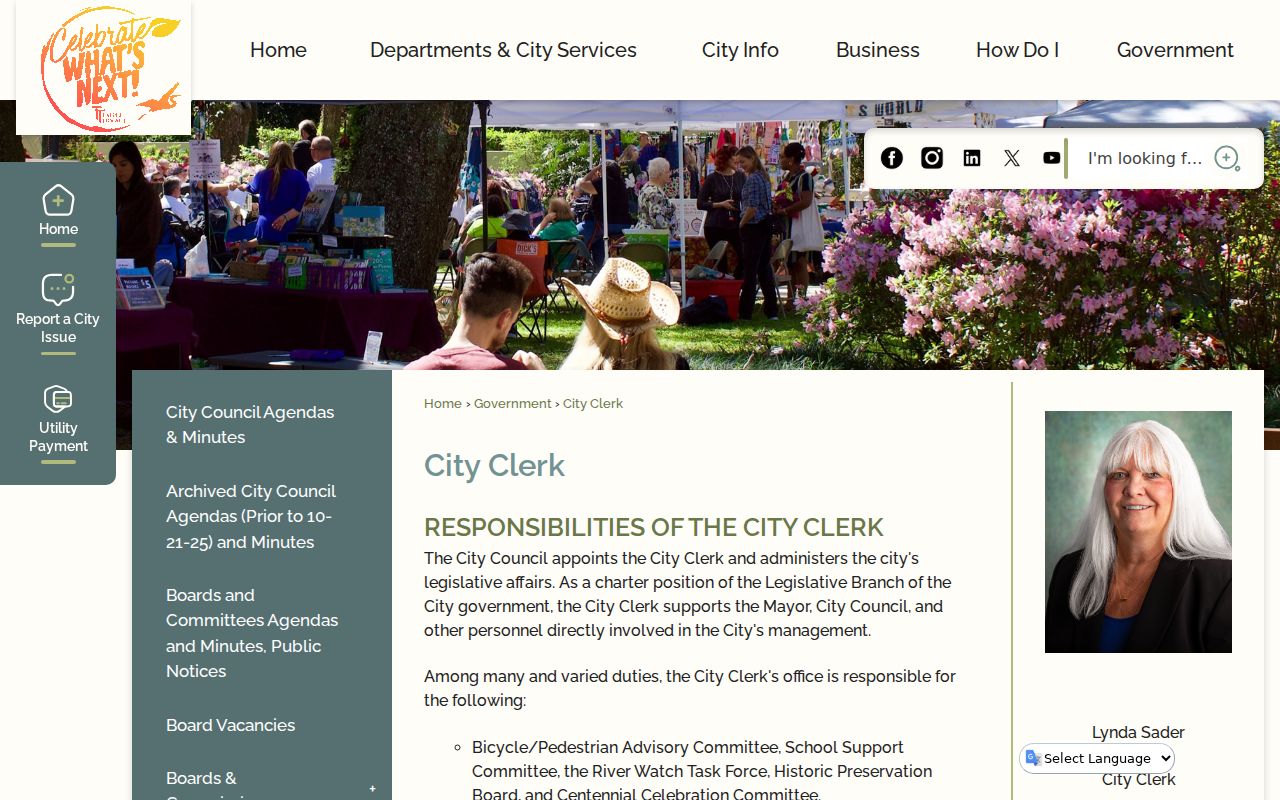
Meeting material can identify officers or speakers, but it should not be turned into a private household directory.
Temple Terrace Voters by Block
Florida's voter status tool is a self-check requiring exact first name, last name, and date of birth. It cannot browse a block. A statewide extract can be formally requested and then sorted by address after lawful receipt. Protected voters are removed or redacted, and participation history shows elections voted, never ballot choices.
Public fields include name, address, birth date, party, phone, and email. Social Security and driver-license numbers are never public. A signature may be viewed but not copied. Preregistered minors and Address Confidentiality Program participants receive added protection.
A voter list shows registered voters at its release date, not all Temple Terrace neighbors. It omits nonvoters, children, protected people, and anyone whose record has not caught up with a move.
Official Versus Commercial Neighbor Tools
Official parcel, voter, code, permit, and association sources state who created the record and what it means. Commercial neighbor tools may blend stale address data, inferred relatives, old phone listings, and unrelated same-name records.
| Source type | Strength | Limit |
|---|---|---|
| HCPA parcel roll | Named custodian and folio | Owner is not household |
| Florida voter file | Official registration fields | Protected and nonvoter residents absent |
| Civic group | Local, opt-in connection | No verified public member roster |
| Commercial category | Broad name aggregation | Unknown freshness and merged identities |
Use commercial hints, if encountered, only to return to an official source. Never publish an inferred household as fact.
Privacy for Temple Terrace Neighbors
Renters and household members are not reliably indexed through property rolls. Utility, motor-vehicle, and private delivery data are not public block directories. Florida's Address Confidentiality Program uses substitute addresses and exemptions for qualifying participants. Recorded images, court files, and voter data also carry record-specific protections.
Lawful use. Temple Terrace neighbor research may support civic contact and personal safety. Never use it to watch, stalk, harass, threaten, or intimidate anyone.
Code cases need special care. Since July 1, 2021, Florida generally bars action on anonymous code complaints unless an official reasonably believes an imminent threat exists. A complaint name may be public, but an allegation does not prove ownership, occupancy, or a violation.
The Temple Terrace permitting office can supply address context without identifying every neighbor.
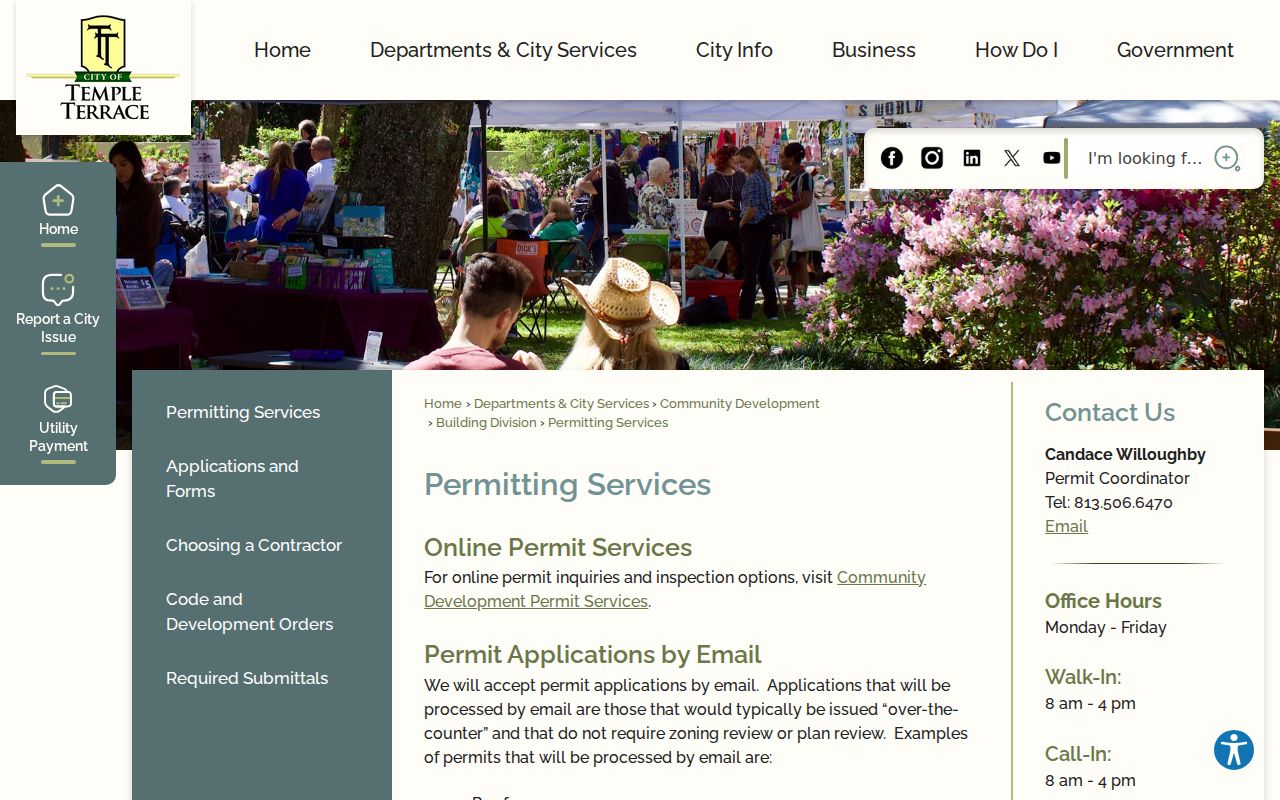
Permit records describe work and status, not the people living at the property.
Temple Terrace permit-history evidence begins in 1998. The form keys on a property address and lets the requester select building, roof, electrical, mechanical, plumbing, all, or another category. Returned fields include permit number, issue date, work description, and status or comments. Those details can explain construction on the block without identifying an occupant.
Protect Temple Terrace Parcels
Hillsborough's free Property Fraud Alert has existed since 2015 and sends notice within 48 hours when a recorded instrument matches a subscribed name. It does not block a filing. It gives an owner a fast prompt to inspect the instrument and contact the right office if something is wrong.
Open the Hillsborough Property Fraud Alert before relying on a mailed solicitation.
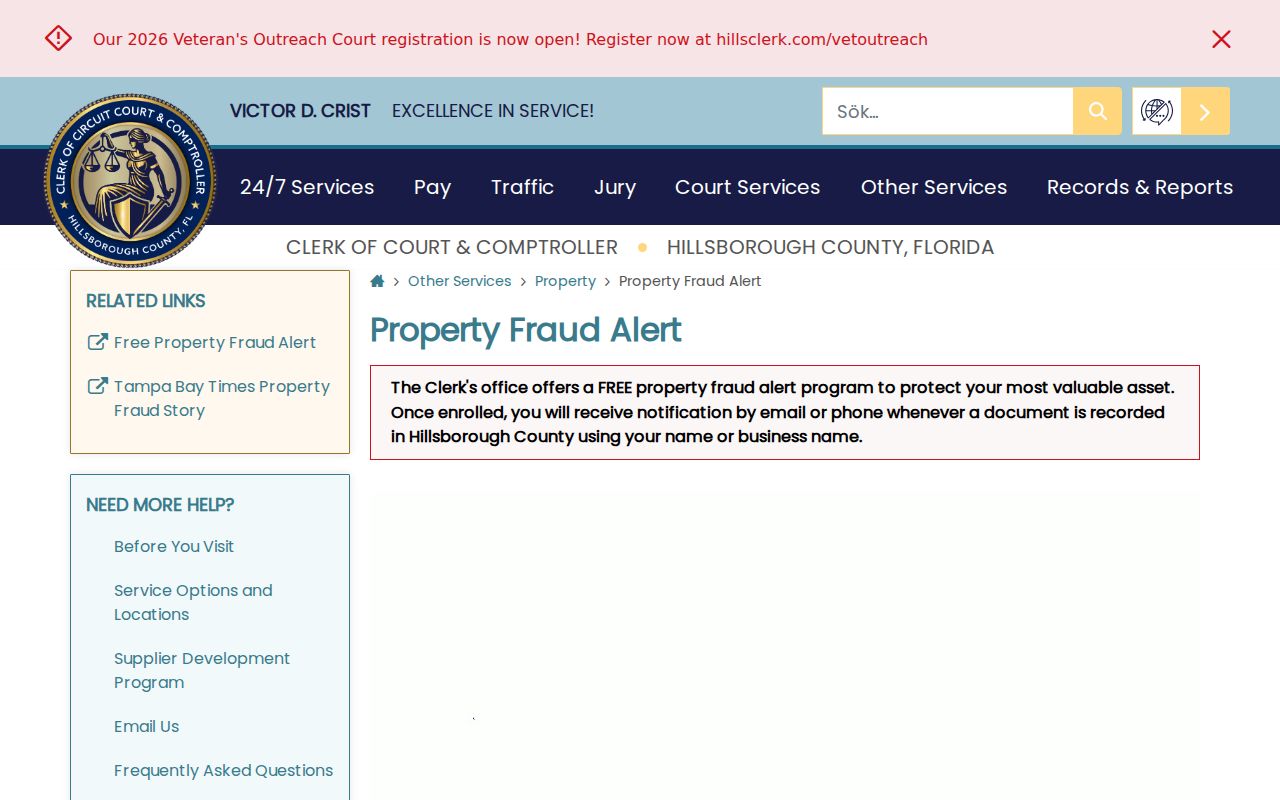
This service protects a subscribed name or parcel; it is not a neighbor-search tool.
Use the HCPA Buffer Around a Temple Terrace Address
The Hillsborough County Property Appraiser's parcel viewer includes a Buffer tool designed for a small geographic radius. Locate and select the target parcel, open Tools, choose Buffer, set a reasonable distance, and review the resulting nearby parcel list. The output can include owner and address fields for parcels intersecting the buffer. It is more reliable than guessing which lots count as adjacent from a flat street list.
A buffer is not a household roster. It may catch parcels across a canal, road, golf-course edge, or irregular boundary while missing a unit relationship that is obvious only in condominium records. Common areas, association parcels, vacant land, trusts, companies, and owners whose tax mail goes elsewhere all require separate labels. Open every relevant property card and keep situs address, mailing address, folio, legal description, and source date distinct.
Use the smallest radius that answers the block question. Expanding outward gathers unrelated parcels and increases the risk of overstating who is a neighbor. HCPA maps are assessment aids rather than legal surveys, so consult the recorded plat or deed when an exact boundary matters.
Which Temple Terrace Block Record Answers What?
Each custodian describes a different relationship to the block. HCPA identifies assessed owners and parcels. The Clerk's Official Records index documents transfers, liens, plats, and other recorded instruments. Temple Terrace permit history describes work issued since 1998. Code Compliance files can describe complaints and official action. A lawful voter extract provides dated registration evidence while omitting or redacting protected voters.
Do not merge those roles into a claim that a named person lives at a house. An owner can live elsewhere, a voter record can lag a move, a permit applicant can be a contractor, and a code complainant can live off the block. Confirm a name with at least one independent, dated source and state the role actually shown by each record.
When a portal fails, use the documented access channel. The Temple Terrace City Clerk accepts municipal public-record requests without requiring a special form; give the address, subject, date range, variants, and preferred format. Older recorded material belongs with the Clerk's Official Records Library, while historical newspapers, directories, maps, and photographs can require Temple Terrace Public Library, HCPLC, USF, or archival help.
Temple Terrace Neighbor Research and Safety
Public block information can support a civic introduction, family-history question, property concern, or response to suspected fraud. It does not authorize surveillance or unwanted contact. Florida's Address Confidentiality Program supplies substitute addresses and protects qualifying participants across public systems. Never try to reconstruct a shielded location by combining voter, parcel, court, directory, or social information.
Temple Terrace has also warned residents about door-to-door sellers falsely claiming that the city sent them to test water. The city does not conduct in-home water testing through such representatives. A solicitor should be able to show a Clerk-issued Home Solicitation Permit, and suspicious nonemergency conduct can be reported to Temple Terrace Police at 813-989-7110. That verified safety route is stronger than trying to identify a visitor through unrelated neighbor data.
If a recorded instrument appears suspicious, inspect it through the Clerk and use the Property Fraud Alert process; the alert itself does not stop recording. For immediate danger call 911. Keep ordinary neighbor research narrow, respectful, and tied to a legitimate purpose.